


In the fruit and vegetable processing industry, cleaning is the first and most critical quality checkpoint. The wool roller cleaning machine, with its efficient mechanical friction cleaning ability, has become the mainstream equipment for the pretreatment of roots, leafy vegetables, and soft fruits and vegetables. This article will comprehensively analyze this “Clean Guard” from the perspective of brush material and removal rate of soil and pesticide residues.
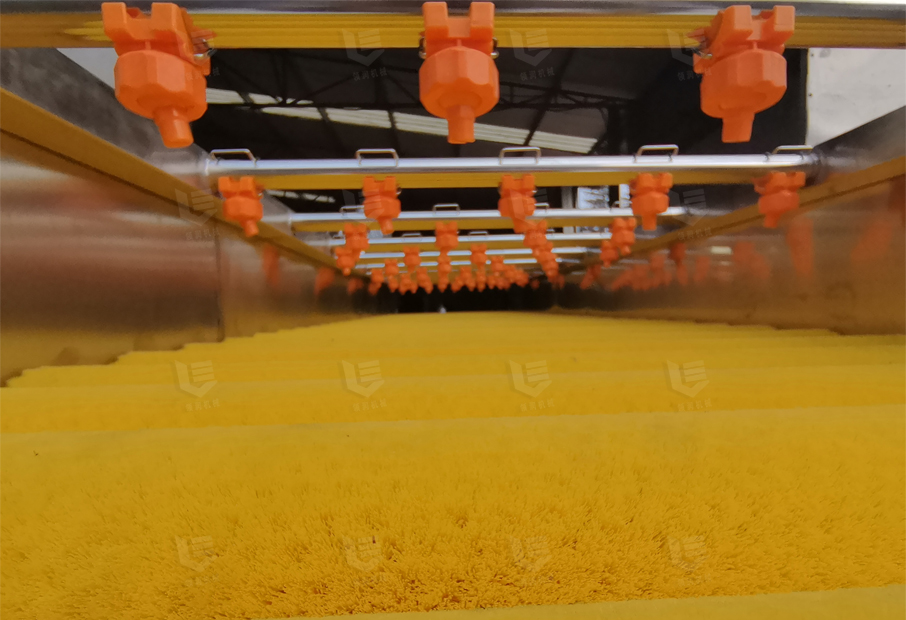
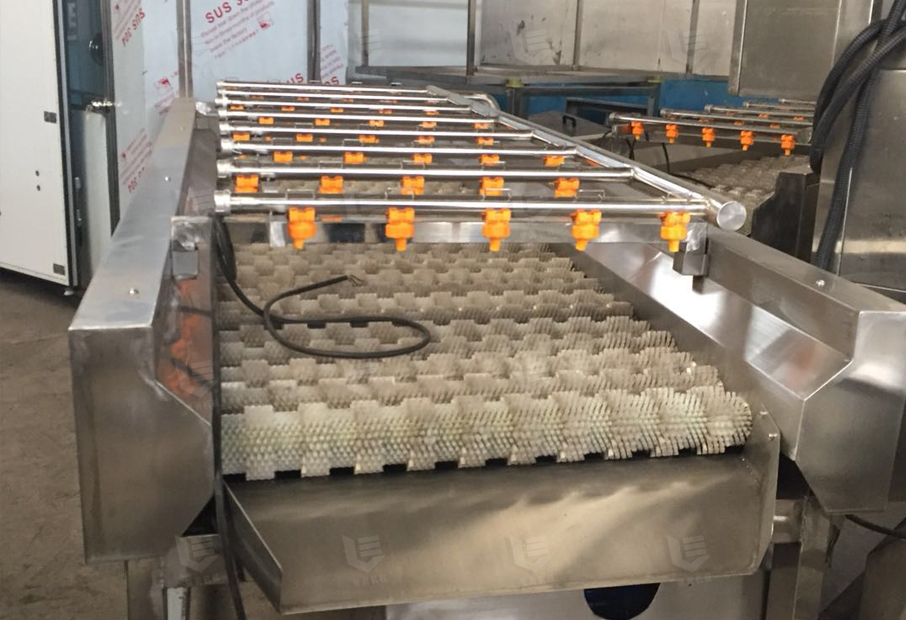
Brush material type
1. Nylon (PA Polyamide) is currently the most widely used and mainstream brush material, especially a specific food grade type. Common types include nylon 6 (PA6) and nylon 66 (PA66).
characteristic:
Excellent wear resistance: Nylon is one of the most wear-resistant brush materials, with a long service life, and is very suitable for cleaning root vegetables with soil (such as potatoes, carrots, sweet potatoes).
Good elasticity: It has good resilience and can effectively adhere to the uneven contours of fruit and vegetable surfaces during brushing, making cleaning more thorough..
High temperature resistance: It can withstand hot water cleaning at higher temperatures and disinfection in high-temperature environments.
Food grade standard: Food grade nylon must be used in the food industry, which complies with FDA 21CFR (US) and EU 10/2011 (EU) regulations to ensure that it does not release harmful substances when in contact with food.
Applicable scenarios: Almost universal, especially suitable for fruits and vegetables with moderate hardness and stubborn dirt, such as potatoes, citrus, apples, carrots, etc.
2. Polypropylene (PP), PP bristles are known for their excellent chemical stability and softness.
characteristic:
Soft material: The hardness is lower than nylon, very soft, and extremely gentle on the surface of the product.
Strong corrosion resistance: It has excellent resistance to acids, alkalis, salts, and various cleaning agents (such as ozone water and chlorine dioxide water), and is not easily corroded or aged.
Low water absorption: Almost no water absorption, not easy to breed bacteria, easy to dry quickly.
Food grade standards: Food grade PP also meets FDA and EU standards and is a safe food contact material.
Applicable scenarios: Mainly used for cleaning fruits and vegetables with very delicate and fragile surfaces, such as strawberries, blueberries, tomatoes, mushrooms, leafy vegetables, etc. It can effectively remove dirt while minimizing scratches and skin damage.
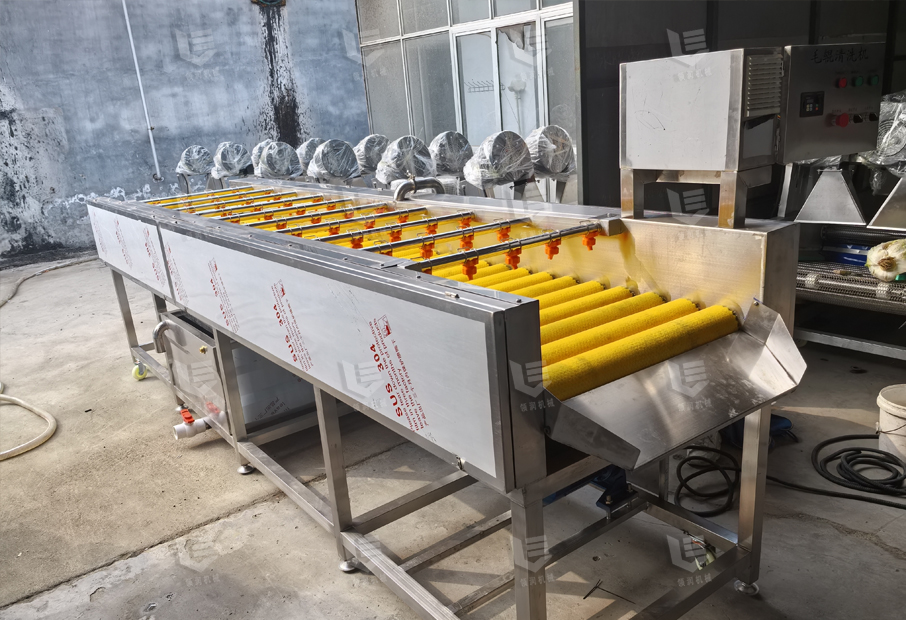
The removal rate of soil and pesticide residues by brushes of different materials
1. Removal rate of physical impurities such as soil and sand
Nylon bristles: have significant advantages in removing soil. Its high hardness, high wear resistance, and strong friction can efficiently scrape off firmly attached soil like a brush brushing shoes. Especially for root vegetables, nylon brushes are the preferred choice, with a very high soil removal rate (usually over 98%).
Polypropylene bristles: more focused on cleaning rather than “scraping”. It can effectively remove floating dust and soft dirt on the surface, but for dry and compacted soil, it requires stronger water pressure spraying and longer cleaning time to assist, and the efficiency of pure physical brushing is not as good as nylon brushes.
2. Removal rate of pesticide residues
Mechanical action: Both types of bristles can remove fat soluble pesticides attached to the surface of fruits and vegetables through friction. Nylon brushes have stronger friction and theoretically can more efficiently remove surface pesticide residues. But for inhalable pesticides, the physical scrubbing effect is very limited.
Chemical synergy: Modern cleaning processes generally rely on chemical additives (such as ozone water) to decompose pesticide residues. In this regard:
Due to its excellent chemical corrosion resistance, PP bristles can be perfectly combined with strong oxidants such as ozone to achieve a synergistic effect of “physical scrubbing+chemical decomposition”, thereby significantly improving the removal efficiency of agricultural residues. The system can confidently increase ozone concentration without worrying about rapid aging of the bristles.
Nylon bristles need to be used more carefully when combined with chemical additives, as long-term use may affect their lifespan and indirectly affect the stable cleaning effect.
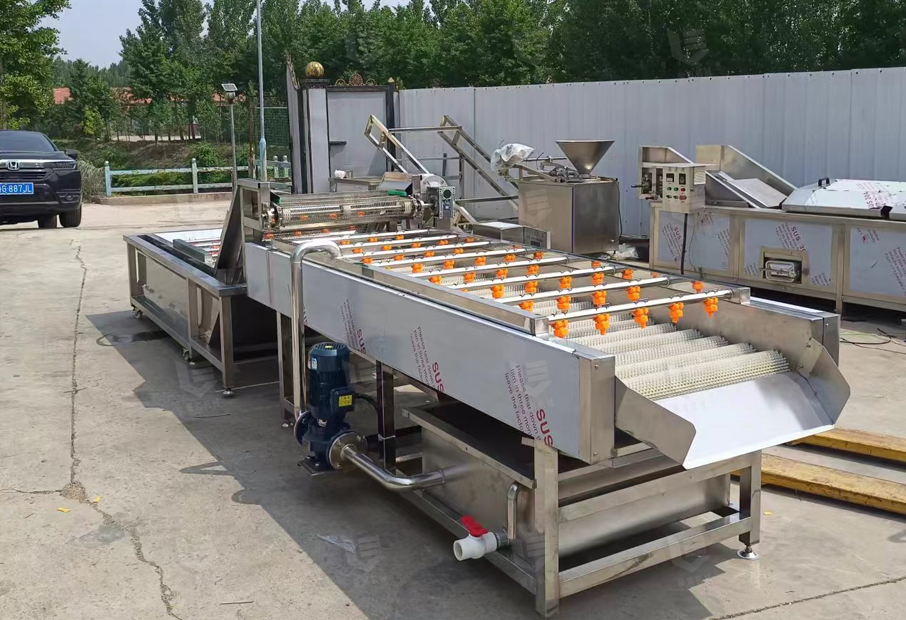
The removal rate of pesticide residues cannot be viewed in isolation from the material of the bristles, but rather from the entire system of “bristles+cleaning medium+process”. PP brush has more advantages and potential in collaborative chemical cleaning, which can help the entire system achieve higher pesticide residue removal rates (usually up to 60% -90% for composite systems). Nylon brushes rely more on physical friction to remove surface pesticide residues.